


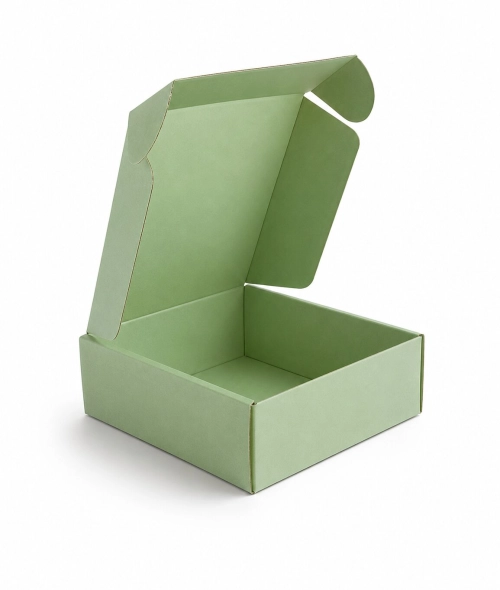
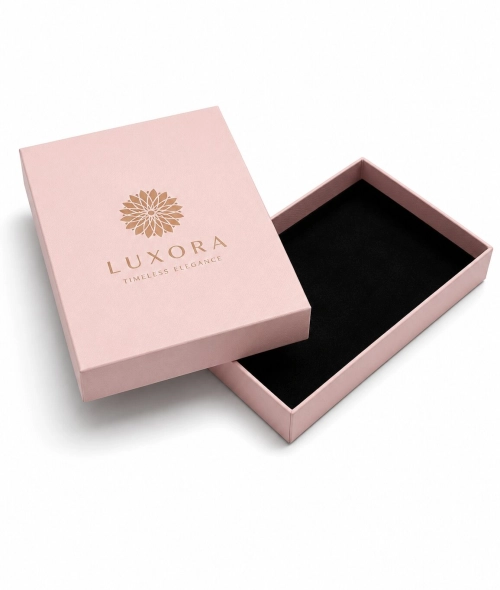
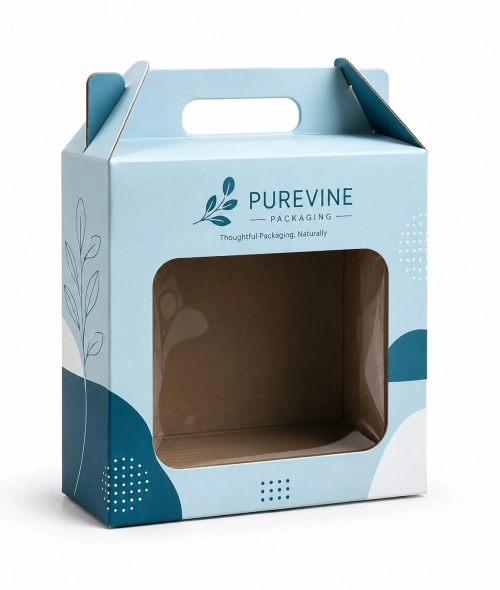
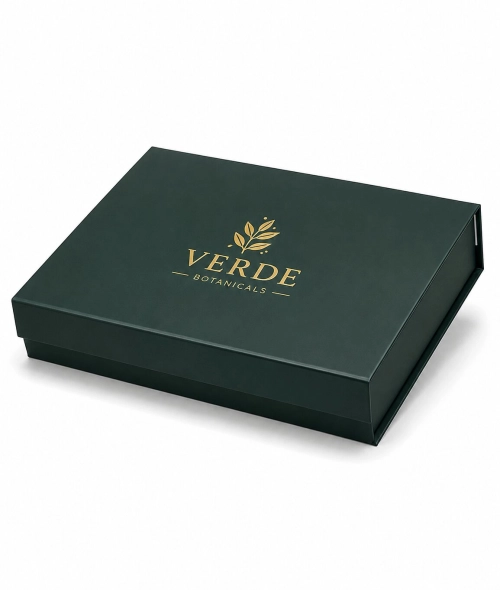





| Box Style | As Mention Above |
|---|---|
| Dimension (L + W + H) | All Custom Sizes & Shapes |
| MOQ | NO Minimum |
| Paper Stock | 10pt to 28pt (60lb to 400lb) Eco-Friendly Kraft, E-flute Corrugated, Bux Board, Cardstock |
| Printing | No Printing, CMYK, CMYK + 1 PMS color, CMYK + 2 PMS colors |
| Finishing | Gloss Lamination, Matte Lamination, Gloss AQ, Gloss UV, Matte UV, Spot UV, Embossing, Foiling |
| Included Options | Die Cutting, Gluing, Scored,Perforation |
| Additional Options | Eco-Friendly, Recycled Boxes, Biodegradable |
| Proof | Flat View, 3D Mock-up, Physical Sampling (On request) |
| Turnaround | 8 - 10 Business Days |
| Shipping | FLAT Position |
Custom Hand Sanitizer Boxes Made to Fit Your Product
A sanitiser carton has a more demanding job than simply surrounding a bottle. It must hold a small, often top-heavy container upright, protect the cap or pump and remain presentable after repeated handling. The surface must also leave enough room for product details that shoppers and retailers need to read.
GoTo Boxes produces made-to-measure cartons for hand gels, foams and sprays. These can range from individual travel bottles to larger pump containers, hygiene kits, promotional multipacks and counter-ready displays.
The design begins with the finished container rather than an approximate size. This reduces unnecessary space, improves presentation and stops a loose bottle knocking against the internal panels. It also creates suitable areas for branding, instructions, barcodes, warnings and approved product information.
Design the Box Around the Finished Bottle
Measure every part of the container
Custom hand sanitizer boxes should be dimensioned from the widest, deepest and tallest points of the finished product. Measurements must include the applied label, cap, pump, security seal, shrink band or spray actuator.
A pump may project beyond the bottle shoulder, while a flip-top cap can catch against the closing flap if suitable clearance has not been added. Measurements should therefore be taken after the complete primary package has been assembled.
Internal dimensions are normally supplied as length × width × height in millimetres. The structural design can then include allowances for board thickness, creasing and packing tolerance.
A carton that is too tight may rub the bottle label or slow down hand packing. An oversized carton allows movement, wastes board and can appear poorly made. Checking a physical sample with the filled bottle is recommended before a large order enters production.
Support tall and top-heavy bottles
Small travel bottles can usually be packed in straight tuck end or reverse tuck end cartons. Taller pump bottles may require a crash-lock base, wider footprint or die-cut neck support.
An internal card insert can hold the bottle around its shoulder or base. This is particularly helpful when the container is narrow, irregularly shaped or heavier at the top.
Multi-bottle packs may need dividers so pumps and caps do not collide during storage or delivery. The carton can reduce movement and protect the closure from everyday handling, but it cannot correct a leaking bottle. Closure compatibility and leak testing must be completed on the primary container.
Select Material According to Weight and Market
Folding boxboard for individual retail products
Folding boxboard is an effective all-round material for individual hand sanitizer packaging. It provides stiffness without excessive weight, folds cleanly and supports detailed printing.
This material is suitable for travel gels, spray bottles and medium-sized pump containers. The board grade should be selected according to the filled bottle’s weight, carton height and opening style.
A taller box may require thicker board to resist bowing. Window cartons also need sufficient panel strength because removing part of the front panel can reduce structural stability.
Kraft board for natural brand presentation
Natural Kraft creates a simple, recognisable appearance that suits wellness, workplace and environmentally focused product ranges. It works particularly well with reduced-ink artwork, dark typography and one or two strong brand colours.
White Kraft offers a brighter printing surface while retaining good structural performance. It may be preferable when accurate colour reproduction is more important than the natural brown appearance of unbleached material.
Recycled paperboard for material-conscious customers
Recycled paperboard can support brands that want to reduce reliance on virgin fibres. The exact appearance may vary slightly because recycled stocks can contain natural shade differences.
For eco friendly hand sanitizer packaging, the strongest approach is often a right-sized, paper-based carton without an unnecessary plastic window. Coatings, adhesives, inserts and decorative finishes must also be considered before making recycling or environmental claims.
Corrugated board for multipacks and ecommerce
E-flute corrugated board offers additional strength for larger bottles, multiple units and postal hygiene kits. Its fluted centre provides better resistance to compression and impact than lightweight folding board.
Corrugated inserts can separate bottles inside a printed mailer. This is useful for ecommerce packs containing hand gel, wipes, travel products or workplace hygiene supplies.
Rigid board may be appropriate for corporate presentation sets, but it is rarely the most economical choice for an everyday single bottle because it adds material, weight and storage volume.
Custom Specifications Available From GoTo Boxes
The final specification is based on the bottle, order quantity, filling method and intended sales channel.
| Specification | Available direction |
|---|---|
| Internal dimensions | Custom length × width × height based on the finished bottle |
| Paper materials | Folding boxboard, cardstock, natural Kraft, white Kraft and recycled board |
| Stronger material | E-flute corrugated board for displays, multipacks and ecommerce kits |
| Indicative board range | 10 pt to 28 pt according to product weight and structure |
| Shapes | Rectangular, square, slimline, multi-unit and custom die-cut formats |
| Printing | CMYK, Pantone spot colours or unprinted board |
| Finishes | Aqueous coating, matt or gloss lamination, soft-touch, spot UV and foiling |
| Raised details | Embossed or debossed logos, text and graphic elements |
| Supply format | Flat-packed, pre-creased and glued where the structure permits |
| Proofing | Flat artwork proof, 3D visual or physical structural sample |
Choose a Structure That Supports the Sales Channel
Straight tuck end cartons
A straight tuck end carton has closing flaps positioned in the same direction. This creates clean front and back display panels and works well for individual bottles requiring a tidy retail appearance.
The structure can be opened from either end and is suitable for lightweight or medium-weight products. Locking tabs or security labels can be added when evidence of opening is required.
Reverse tuck end cartons
Reverse tuck end cartons have closing flaps facing opposite directions. Their dielines can use the printed sheet efficiently, which may help reduce material waste and production cost.
This format is suitable for pocket-sized and standard rectangular bottles. The position of the glue seam, barcode and product information should be considered during artwork preparation.
Auto-lock and crash-lock bases
A crash-lock or auto-lock base is useful for heavier pump bottles. The bottom panels fold into position during assembly, creating a stronger base than a simple tuck closure.
This construction also speeds up manual packing because staff do not need to close several individual bottom flaps. The base must still be tested against the actual filled weight.
Sleeve and tray boxes
A sliding sleeve and inner tray create a more deliberate presentation for wellness sets, corporate hygiene packs and promotional products.
The tray can include a card insert for one or more bottles. The sleeve provides a large printable surface while the internal structure keeps the contents organised.
Window and cut-out designs
A window allows the bottle colour, label or fill level to remain visible. Open die-cut windows avoid adding a separate film, although the panel must retain enough strength to protect the product.
If a clear film is required, its effect on material separation and recycling should be considered before production.
Display Hand Sanitizer Boxes for Retail Counters
Display hand sanitizer boxes combine storage, transport organisation and point-of-sale presentation. They are particularly effective for 30 ml to 60 ml pocket bottles positioned near tills, reception desks or pharmacy counters.
A perforated top can be removed when the carton reaches the retailer, turning the transit pack into a display tray. This reduces unpacking work and keeps products arranged in their branded container.
The front wall should be low enough to show the bottle label but high enough to prevent products from falling forward. Internal cell width must also be calculated carefully so the remaining bottles stay upright as units are removed.
A printed header can carry the product name, key approved message or range colour. Stock codes and barcodes should remain easy for retail staff to locate during replenishment.
Printed Packaging That Communicates Clearly
Create a sensible information hierarchy
Hand sanitizer boxes with logo printing should make the product easy to identify without hiding essential information.
The front panel can lead with the brand name, sanitiser format and net quantity. Side and rear panels can provide directions, formulation details, approved claims, warnings, responsible business information and disposal guidance.
A quiet, flat area should be reserved for the barcode. Batch numbers or variable information may also require an uncoated or specially prepared area if they are applied after the main printing process.
Digital printing for smaller orders
Digital printing is useful for short production runs, market testing and product ranges containing several artwork variations. It does not normally require traditional printing plates, making it practical for developing brands or limited campaigns.
The artwork should still be prepared at the correct resolution and positioned on an approved dieline. Colours seen on a monitor may not exactly match printed board, so brand-critical shades should be reviewed carefully.
Lithographic printing for larger quantities
Lithographic printing can provide consistent colour and sharp detail across larger orders. It is often more economical when the production quantity increases.
CMYK printing is suitable for photographs, gradients and tonal illustrations. Pantone colours are useful when a logo or range-navigation colour must remain closely controlled between different packaging orders.
Apply finishing with a clear purpose
Printed hand sanitizer boxes can be finished with matt or gloss lamination, aqueous coating, foil, embossing, debossing or spot UV.
Matt surfaces create a restrained appearance and reduce glare around small text. Gloss finishes strengthen colour contrast and provide a brighter retail look. Spot UV can highlight a logo or selected graphic without covering the complete carton.
One carefully selected finish is usually more effective than several competing effects on a small box. Finishes should also remain clear of glue areas, barcodes and variable coding zones.
Plan Artwork Around UK Product Requirements
The regulatory treatment of a sanitiser depends on its formulation, intended purpose and claims. Products presented as biocides may be subject to different requirements from products positioned primarily for cosmetic use.
Claims, warnings, directions and responsible business details should be reviewed before artwork approval. Different rules may also apply in Great Britain, Northern Ireland and export markets.
GoTo Boxes can create the structural dieline and provide suitable print space. However, the product owner remains responsible for checking the accuracy and legality of medical, biocidal, antibacterial or efficacy claims.
Artwork should not be approved while important product wording is still under review. Late changes after printing plates, cutting tools or production have been prepared can increase costs and delay the order.
UK Product Example: Different Bottles Need Different Boxes
The UK Carex on-the-go range includes compact 50 ml hand gels, a 100 ml hand and surface spray and a larger 300 ml gel. This product mix demonstrates why one generic box cannot serve an entire sanitiser range effectively.
A pocket-sized 50 ml bottle needs slim proportions that fit easily into retail displays and hygiene kits. A spray bottle requires suitable clearance around its cap or actuator. A larger 300 ml container needs stronger lower panels and better resistance to tipping.
A brand producing comparable formats can use consistent logo placement, colours and typography across the collection. Each carton should still have its own accurately engineered dieline.
This creates visual consistency without compromising fit, closure protection or packing efficiency. Customers recognise the range while each product receives a structure suited to its dimensions and weight.
Develop More Responsible Sanitiser Packaging
A material-conscious carton begins with accurate sizing. Removing avoidable internal space reduces the amount of board used and can allow more units to fit into cases, storage areas and delivery vehicles.
The dieline should also be arranged efficiently on the production sheet. Better blank placement can reduce offcuts without altering the customer-facing box.
Plastic windows, heavy film laminations, foam inserts and mixed-material decorations may make disposal more complicated. A windowless paperboard carton with a card insert provides a simpler material structure.
Water-based coatings and uncoated Kraft can be considered where product handling and printing requirements allow. Environmental statements should remain specific and evidence-based. The complete package should not automatically be described as biodegradable or universally recyclable simply because one component is made from paper.
Businesses handling larger packaging volumes should maintain records of substrate types, weights and additional components. These records can support internal sustainability reviews and any packaging reporting responsibilities that apply to the business.
Make Wholesale Purchasing More Cost-Effective
Hand sanitizer boxes wholesale pricing depends on more than the total quantity. Carton dimensions affect how many blanks can fit on each printed sheet. Board grade, ink coverage, special colours, coatings, inserts, assembly and decorative finishes also influence the unit cost.
A small adjustment to flap depth or pack orientation may improve material yield without changing the visible dimensions. This can be particularly helpful when producing large quantities.
For hand sanitizer packaging wholesale orders, forecast demand for each product variation separately. Several products with identical bottle dimensions may be able to share one structural cutter while using different printed artwork.
Larger orders can reduce the production cost per carton, but excessive stock creates its own risks. Packaging may become unusable if ingredients, warnings, product claims, barcodes or branding change.
Businesses sourcing hand sanitizer boxes UK-wide should provide the delivery postcode, packing method and target launch date with the enquiry. Boxes used in automated or semi-automated packing may require different tolerances and glue areas from cartons assembled manually.
Information Needed for an Accurate Quote
Providing complete information allows GoTo Boxes to recommend a suitable structure and calculate a realistic price. Please include:
- The filled bottle’s length, width, height and weight
- Photographs showing the base, shoulders, cap, pump or spray actuator
- The required number of units per carton, display or kit
- Preferred board type and finishing requirements
- Print-ready vector artwork or details of the design help required
- Required quantity, delivery postcode, target date and sampling needs
A physical product sample is recommended for unusual, flexible or developing bottles. It allows the closure clearance, panel alignment, internal fit and insert retention to be checked properly.
Packaging Quality That Can Be Seen and Measured
Good box quality is visible in the structural details. Creases should fold cleanly without excessive surface cracking. Glue seams should remain square and securely bonded.
The board’s grain direction should support the finished shape. Poor grain alignment can make a tall carton bow or resist folding correctly.
Printed text and barcodes need sufficient contrast. Important wording should not cross a crease unless the artwork has been designed to allow for distortion.
Coatings must be compatible with the selected paperboard. Foil, spot UV and other decorative finishes should be positioned away from glue areas and variable coding sections.
A 3D mock-up is useful for reviewing artwork orientation and panel order, but it cannot confirm physical fit. A production-grade sample is the better option when the bottle is heavy, the closure projects from the body, an insert is required or a retailer has strict dimensional requirements.
Approved dielines and artwork versions should be retained for future orders. This reduces the risk of an outdated design or incorrect structure being reproduced.
Why Choose GoTo Boxes for Hand Sanitizer Packaging?
GoTo Boxes treats the bottle, artwork and sales channel as one packaging brief. Customers can specify an individual tuck carton, branded multipack, hygiene kit or shelf-ready display.
Each box can be developed around the actual container dimensions, required strength and intended packing process. Board, printing and finishing choices are selected according to practical use rather than applying the same specification to every product.
The finished packaging can help protect closures during routine handling, organise products for storage, communicate information clearly and create a consistent unit for retail or ecommerce fulfilment.
Send your bottle measurements, required quantity, artwork information and preferred box style to request a tailored quotation. The packaging can then progress through structural planning, proofing, sampling and production approval.