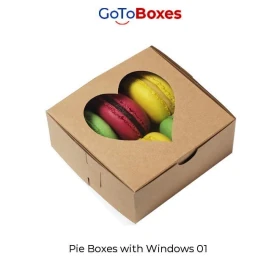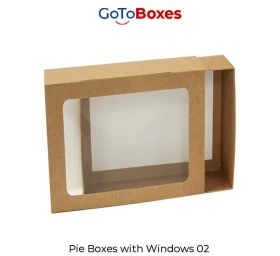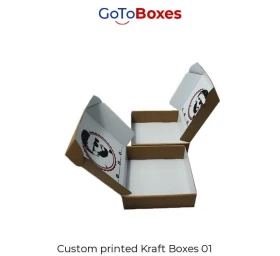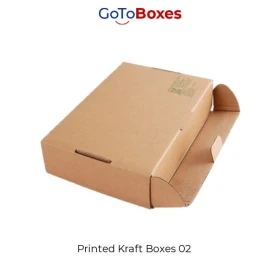








| Box Style | As Mention Above |
|---|---|
| Dimension (L + W + H) | All Custom Sizes & Shapes |
| MOQ | NO Minimum |
| Paper Stock | 10pt to 28pt (60lb to 400lb) Eco-Friendly Kraft, E-flute Corrugated, Bux Board, Cardstock |
| Printing | No Printing, CMYK, CMYK + 1 PMS color, CMYK + 2 PMS colors |
| Finishing | Gloss Lamination, Matte Lamination, Gloss AQ, Gloss UV, Matte UV, Spot UV, Embossing, Foiling |
| Included Options | Die Cutting, Gluing, Scored,Perforation |
| Additional Options | Eco-Friendly, Recycled Boxes, Biodegradable |
| Proof | Flat View, 3D Mock-up, Physical Sampling (On request) |
| Turnaround | 8 - 10 Business Days |
| Shipping | FLAT Position |
Follow the Salad from Prep Bench to Customer
The right salad pack is easier to specify when you follow its journey. Each stage creates a different demand.
Custom Salad Boxes let you adjust the footprint, depth, board, barrier and lid around that journey. A standard stock size can be useful for an immediate requirement, but a considered custom format may reduce unused space, improve portion presentation and create a repeatable packing routine. We start with the food and workflow instead of adding decoration to an unsuitable carton.
Match the Pack to the Menu
“Salad” covers meals with very different weights and moisture levels. Dry leaves with croutons place little pressure on a base. Tomatoes, fruit, pickles and dressed grains release moisture. A protein bowl may include warm ingredients, a sauce pot and cutlery. These foods should not share one untested specification.
Leafy and delicate salads
A wide, relatively shallow shape supports volume without compressing leaves. Allow headspace for toppings and avoid a lid that presses against garnish. If dressing is supplied separately, create enough room for the closed pot without letting it roll across the food.
Pasta, couscous and grain bowls
Heavier portions need better base stiffness and reliable corner construction. Oils and sauces can mark untreated board, so describe the recipe and expected holding time when requesting a barrier. A snug footprint reduces sliding but must still give customers room to mix the meal.
Fruit and deli selections
Cut fruit can release juice, while beetroot and colourful ingredients reveal staining quickly. Product visibility may be valuable in a chilled cabinet, but the window and seal must suit refrigerated use. Samples should be tested with the real food rather than dry substitutes.
These differences are why Salad Packaging Boxes should be specified by recipe family, not merely by nominal capacity.
Confirm Food Contact Before Colour
Food packaging must be suitable for its intended contact. Tell us whether salad will touch the board directly, whether a liner is used, and whether the meal is cold, warm or hot when packed. Duration, temperature, acidity, fat and moisture can all affect material selection. A material suitable for a dry cold product is not automatically suitable for dressed food or reheating.
Ask for relevant food-contact information for the final board, barrier, ink, adhesive and window combination. Keep packaging clean, dry and protected before use, and operate appropriate hygiene controls during storage and filling. GoTo Boxes can manufacture to an agreed packaging specification, while the food business remains responsible for confirming suitability in its application and meeting the rules in each sales market.
Do not assume that “cardboard” alone proves food suitability. Likewise, an outer printed surface is different from the direct-contact side. Artwork, coatings and recycled fibre choices should be reviewed as part of the whole construction. If the pack will be frozen, microwaved, filled hot or used for unusually acidic or fatty food, declare that requirement before quotation and request evidence for those exact conditions.
Choose the Lid by Sales Route
Cardboard salad boxes with lids need more than an attractive top panel. The closure must fit the way staff fill, stack and hand over each order.
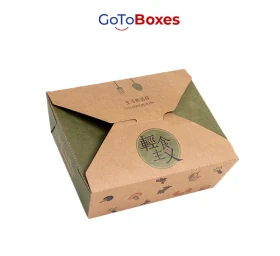
A hinged paperboard lid keeps the top and base together, simplifying stock control and counter assembly. Tuck tabs can create a neat all-card appearance, provided they remain secure after filling. A separate clear lid maximises visibility and may give a familiar snap-fit action, but it creates a mixed-material pack and requires a compatible rim. A windowed paperboard lid balances print space with a smaller viewing area.
For chilled retail, check that lids stay aligned while several units are stacked. For click-and-collect, test how customers carry the pack. For delivery, place the closed carton in the actual bag with neighbouring items, then reproduce typical turns, stops and handling. A tamper label may provide visible opening evidence, but it does not turn a carton into a leak-proof vessel.
Use Windows without Ignoring Condensation
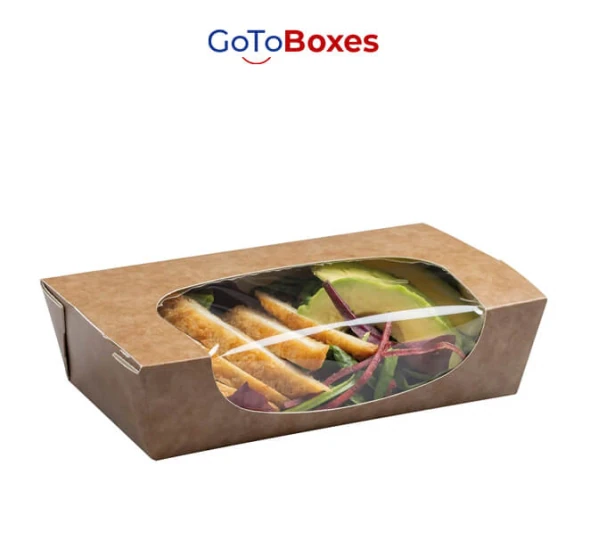
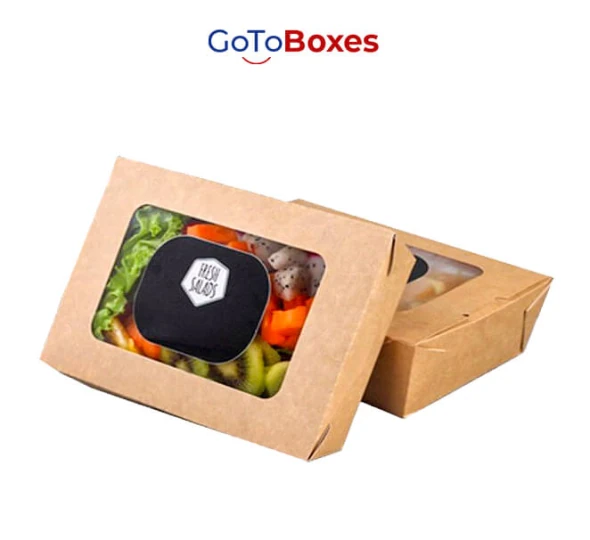
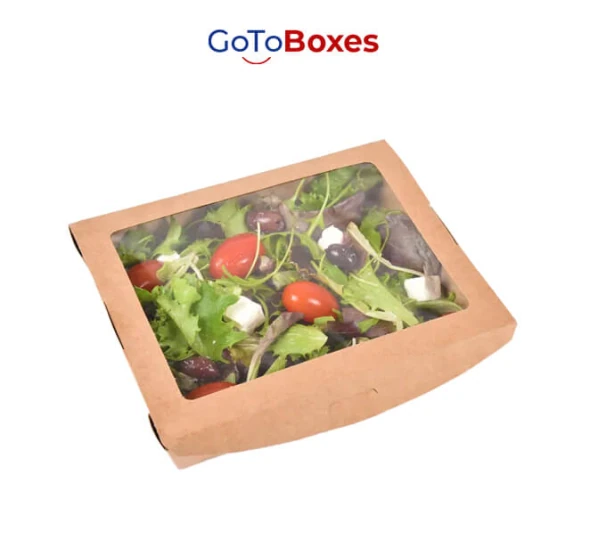
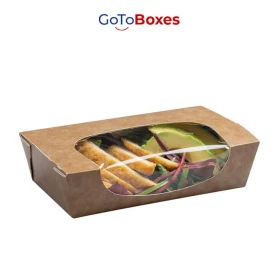
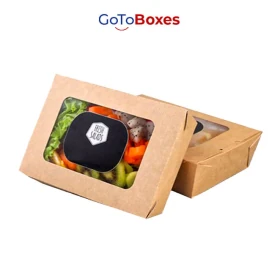
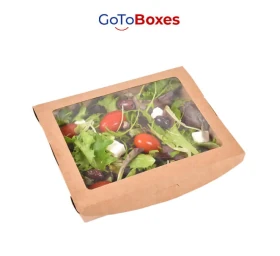
Salad Boxes with Window help shoppers see colour, portion and ingredient arrangement. This can work well for deli counters, grab-and-go fridges and catered events where visual choice matters. Window size and position should reveal the food without removing too much strength from the lid.
Clear film is not invisible to the specification. Confirm its material, food-contact role, temperature range and attachment method. Chilled ingredients can create condensation, particularly when packed in a warmer room or moved between temperatures. Droplets may reduce visibility even when the film itself remains clear.
Test a filled sample through the real chill-and-display cycle. Compare a broad window with a smaller viewing panel, and consider whether anti-fog performance is required and supported. If customers need easy recycling instructions, decide whether the window separates from the fibre body and ensure any printed direction is accurate for the actual pack and local collection route.
Size by Footprint, Headspace and Fill Weight
Capacity in millilitres does not describe how a salad will look. Two boxes with the same volume can have very different footprints and depths. Deep walls may make a leafy portion appear sparse, while a shallow box can crush tall toppings or leave no room for mixing.
Provide the target fill weight, ingredients, maximum topping height and any dressing pot or fork. Measure internal length, width and usable depth rather than relying only on external dimensions. The lid profile, folds and wall angle can reduce practical space. For custom cardboard salad boxes, a representative filled sample is more useful than an empty container alone.
Specify Board and Barrier as a Pair
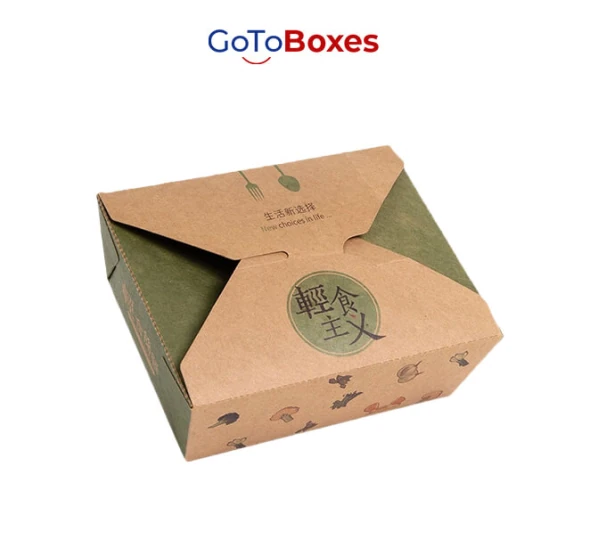
Kraft Salad Boxes bring a natural brown surface and work well with restrained one- or two-colour artwork. White paperboard provides a brighter base for photography, fine detail and strong brand colours. The visual choice is only half the decision: board grade, fibre direction and crease design influence stiffness and folding.
Moisture and oil resistance come from the complete construction. Depending on the food and use, this may involve a suitable treatment, coating or liner. Every addition can affect converting, food contact, appearance and end-of-life options. Request the simplest proven construction that meets the journey rather than choosing a barrier from a marketing label.
Takeaway Salad Boxes carrying lightly dressed leaves may need different resistance from boxes holding juicy fruit for several hours. Testing should reproduce portion weight, contact time, refrigeration and stacking. Inspect the base, corners, closure and printed exterior for softening, seepage or staining.
“Leak-resistant” should describe demonstrated performance within stated limits. It should not be presented as “leak-proof” unless the complete pack has been validated for that claim. For free liquid or large quantities of dressing, a sealed pot or suitable primary container is usually more dependable than a folded carton.
Design for the Lunch Rush
Packaging that performs slowly can become expensive at noon. Ask staff to erect and close samples while wearing the gloves used in service. Count the motions, note confusing tabs and see whether flat packs separate easily. A structure that saves seconds per order can matter more than an elaborate finish.
Storage is part of usability. Flat-packed cartons reduce back-room volume, but bundle height, orientation and stock labels should suit your shelves. Keep windowed or food-contact components protected from dust and damage. If several sizes look similar when flat, add clear case identification to prevent packing errors.
Cardboard Salad Boxes UK food businesses use for delivery also need a stable bag plan. Place heavier items below delicate salads, keep hot and chilled foods appropriately separated, and prevent drinks from leaning on lids. Packaging cannot correct poor courier loading, so test the complete order configuration.
Turn Every Panel into Useful Communication
Custom Printed Salad Boxes can carry far more than a logo, but information needs a clear order. Reserve space first for the food name, ingredients, emphasised allergens, quantity, date coding, storage instructions, responsible business details and any information required for the particular sales format. Your food-safety or legal adviser should approve the final content.
Prepacked for direct sale food can have specific ingredient and allergen-labelling duties. Food sold loose or packed after the customer orders follows a different information route. Decide how the salad is sold before finalising artwork, and do not use a QR code as a casual replacement for information that must appear with the product.
Once required content is mapped, build brand hierarchy. Printed cardboard salad boxes can use CMYK for broad colour work and Pantone references where repeatable brand colour matters. Brown Kraft changes colour appearance; white ink or a reduced palette may produce a cleaner result. Fine type, pale contrast and artwork crossing folds should be checked on a proof.
For cardboard salad boxes with logo artwork, keep the mark visible after the lid closes and after a retailer applies its label. Branded Salad Boxes often work best with a confident front panel, simple side message and calm top view. A clear design also makes different recipes easier to identify during a busy service.
Extend the Range without Duplicating It
GoTo Boxes lists other food packs for genuinely different products and journeys. Use those pages when the contents change rather than forcing one salad carton to perform every task.
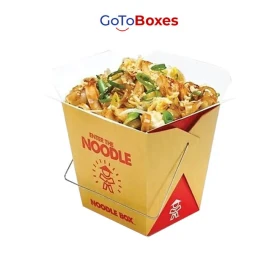
Coffee Sachet Boxes are intended for dry, individually wrapped portions, not moist ready-to-eat meals. Custom Chinese Boxes address a different hot-food and takeaway format. Bakeries can explore Custom Cupcake Boxes for delicate products requiring height and presentation, or Custom Pie Boxes for pastry, grease and ventilation considerations.
These internal routes help buyers find the right structural starting point while this page stays focused on cold salads, deli portions, fruit and composed lunch bowls. Distinct page intent also avoids repeating the same generic food-packaging copy across the website.
Build a Wholesale Programme That Stays Consistent
Cardboard salad boxes wholesale orders become easier to control when the specification has a unique reference. Record internal size, board grade, barrier, window material, closure, print files, coding area, bundle quantity and shipping-case arrangement. Keep an approved proof and physical sample where practical.
Wholesale Salad Boxes are normally priced against size, materials, print coverage, tooling and quantity. Request realistic volume breaks, then compare unit cost with storage capacity and menu risk. Ordering more can reduce the manufacturing cost per carton, but obsolete artwork or a recipe change can turn excess stock into waste.
For printed ranges, group versions only after checking that they use the same dieline and production method. Each recipe still needs an approved artwork code. Branches should order by that code rather than informal descriptions such as “large green box”. This reduces version errors and makes repeat ordering clearer.
Ask how boxes will be packed and delivered. Bundle count affects stock handling; outer cases should protect edges and windows; pallets should suit the receiving site. A dependable wholesale programme includes incoming inspection, dry storage and a process for reporting variation.
Make Environmental Language Evidence-Led
Eco Friendly Salad Boxes should not rely on colour, leaf icons or the word “natural” as proof. Stronger choices begin with right-sizing, responsibly sourced or documented recycled fibre where suitable, efficient manufacture and the removal of unnecessary components. Food protection still matters because damaged meals carry their own environmental cost.
Coatings, liners, adhesives, inks and windows can change how a pack is recovered. A paperboard body may be widely collected, while a retained film or heavy food contamination can affect the actual route. Compostable claims require evidence, defined conditions and access to an appropriate collection system. “Plastic-free” must describe every relevant component.
Use precise language supported by supplier documents. State which part contains recycled material, whether a window should be removed and which disposal route applies in the destination market. Avoid suggesting that one feature makes the whole pack harmless to the environment. Clear, qualified instructions are more trustworthy than broad green promises.
Test the Pack before the Menu Launch
A screen mock-up checks layout, not food performance. Request a physical sample when dimensions, window placement, barrier or closure are new. Fill several packs under normal kitchen conditions, then reproduce the intended holding time, fridge temperature, stacking and delivery journey.
Check whether the base stays level, corners remain firm, the lid closes cleanly and the exterior remains presentable. Look for condensation, window lifting, staining, odour transfer and dressing-pot movement. Ask staff whether the pack is quick to build and customers whether it is easy to open and eat from.
Record the approved conditions and do not extend them without review. A carton tested with a cold dry salad for one hour cannot automatically be claimed suitable for warm pasta, overnight storage or microwave reheating. Retest when ingredients, portion, supplier material or distribution changes.
Request a Quote with a Complete Brief
Send GoTo Boxes the intended food, direct-contact arrangement, fill temperature, portion weight, internal dimensions, lid preference, window requirement, holding time, quantity and delivery postcode. Include artwork or ask for a dieline. Mention dressings, oils, acidic ingredients, refrigeration, freezing or reheating requirements at the start.
We can then discuss custom cardboard salad boxes with logo printing, structural sampling and the most suitable manufacturing route. Please confirm current minimum quantities and lead time in the quotation, as these depend on the approved specification and production schedule.
Whether you need plain trial packs, cardboard salad boxes wholesale or a coordinated range of custom printed salad boxes, a detailed brief leads to a more reliable result. Contact GoTo Boxes to develop packaging around real food, real service conditions and clear brand requirements.